Industrial BESS: how to reduce energy costs, power peaks, and the risk of shutdowns
Installing solar panels on the roof of a factory, warehouse, or office building is no longer a novelty. For many industrial companies, it has become a strategic decision in a context of volatile energy prices and increasing pressure to reduce emissions.
Solar production allows for lower electricity bills and improves the company’s carbon footprint. However, there is a recurring challenge in industrial self-consumption: solar production does not always coincide with the time when energy is needed.
What happens to the energy produced on weekends when the factory is shut down? And how to respond to peak machine consumption after sunset?
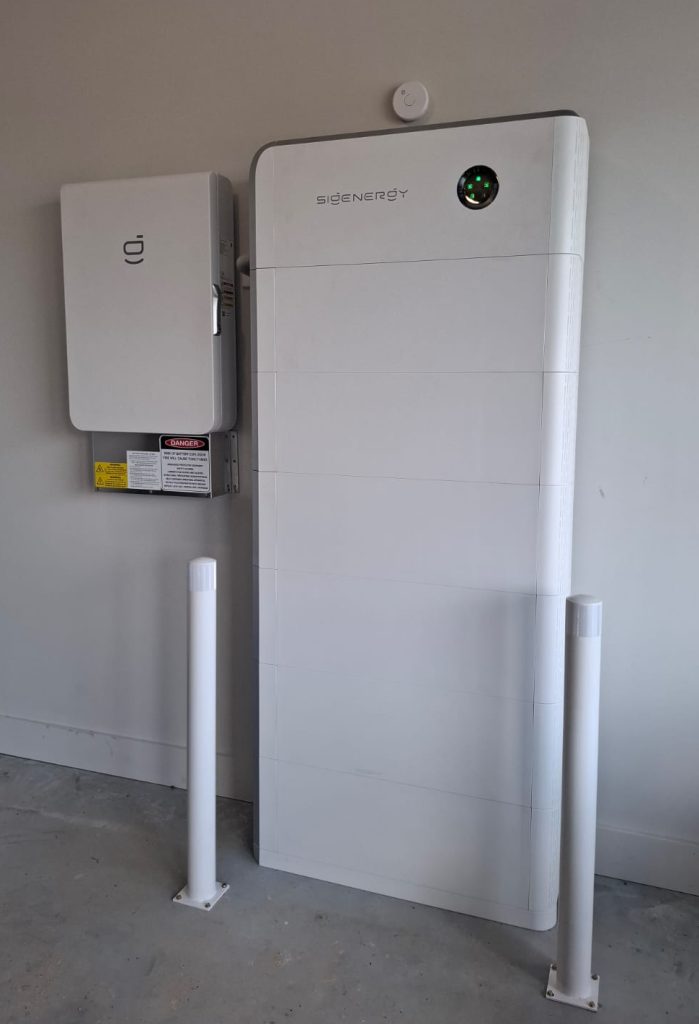
This is precisely where BESS (Battery Energy Storage Systems) come in.
At SOLVasto, generating energy is only part of the solution. The real value lies in deciding when and how that energy is used.
What a BESS system can do for your company
1. Increase solar self-consumption and take advantage of energy that is currently wasted.
In many industrial facilities, there is a mismatch between solar production and consumption.
A factory that reduces activity on weekends continues to produce energy through its photovoltaic system. Much of this energy ends up being fed into the grid, often at reduced prices.
With a BESS system, this surplus can be stored and used later, for example, when production resumes on Monday.
Result:
- greater self-consumption of produced energy
- less dependence on the electrical grid
- better return on photovoltaic investment
2. Reducing power peaks with peak shaving
In industrial facilities, the cost of electricity depends not only on the energy consumed (kWh). The power demanded from the grid also significantly influences the bill.
When several pieces of equipment start up at the same time – compressors, motors, or production lines – momentary power peaks can occur.
These peaks can have two economic consequences:
- need to contract for more electrical power
- occurrence of power overruns, penalized by tariffs
A BESS system can act in these moments.
When the energy management system detects that the installation’s consumption is approaching the defined limit, the battery instantly discharges to supply part of the necessary energy. This reduces the peak seen by the grid.
In practice, this allows:
- reducing the risk of power overruns
- stabilizing the installation’s load profile
- in some cases, reducing the contracted power
3. Taking advantage of energy price variations
For companies with indexed tariffs or exposed to the electricity market, energy storage allows for better management of energy costs.
The energy management system can charge the batteries when electricity prices are lower and use that energy when prices increase.
This process occurs automatically and allows for a reduction in the average cost of energy consumed.
4. Ensuring Power Backup and Operational Continuity
An electrical failure in an industrial facility can have significant impacts:
- production line shutdowns
- loss of material in process
- interruption of critical systems
It is also important to clarify a point that is often misunderstood: all photovoltaic systems with traditional grid-tied inverters automatically shut down when a power grid failure occurs.
This happens for safety reasons, through a mechanism called anti-islanding protection, which prevents an installation from continuing to inject energy into a grid that may be under intervention by technical teams.
BESS systems with backup functionality solve this limitation.
During a grid failure, these systems can electrically isolate the installation and operate in island mode, powering priority circuits from batteries and solar production.
As long as there is energy in the batteries or photovoltaic production available, the installation can continue to operate.
In systems that integrate diesel generators, BESS also allows for optimized operation. The generator then operates primarily to charge the battery, maintaining a more efficient load factor, while solar production directly contributes to supplying the installation.
This hybrid operation reduces fuel consumption and improves the overall efficiency of the system.
5. Improve Energy Cost Predictability
For CFOs and management directors, the volatility of energy markets creates uncertainty in annual planning.
By integrating storage into a photovoltaic system, the company begins to produce and manage a significant portion of the energy it consumes.
In practice, this allows for reduced exposure to electricity price fluctuations and increased predictability of energy costs in the income statement, an important factor for financial planning.
Typical Results with Industrial Storage
Depending on the installation’s consumption profile, integrating a BESS system can generate benefits such as:
- increased solar self-consumption between 20% and 40%
- reduction in peak power consumption between 10% and 30%
- decrease in total energy cost between 10% and 25%
Each industrial installation has its own characteristics, so these values always depend on a detailed technical analysis.
Frequently Asked Questions about Industrial BESS
What is a BESS system?
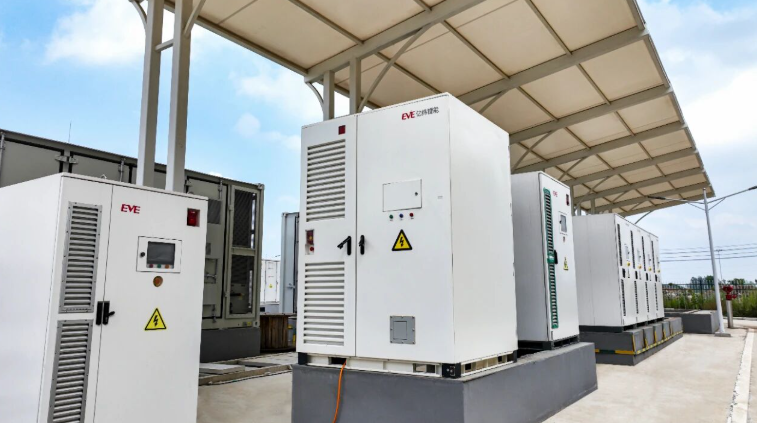
A BESS system is a battery-based energy storage system that allows you to store electricity for later use. In an industrial context, it is used to increase self-consumption, reduce power peaks, support energy backup, and improve cost control.
Does a BESS system work without a power grid?
Yes, provided the solution has backup functionality and an architecture prepared for island mode operation. In these cases, priority circuits can continue to be powered by batteries and available solar production.
Does BESS reduce the electricity bill?
It can reduce it, especially when there is surplus solar energy, significant power peaks, exposure to variable energy prices, or a need to optimize generator operation.
Does BESS replace a diesel generator?
Not always. In many installations, the most efficient solution is the integration of BESS, solar, and generator, allowing for reduced fuel consumption and improved system stability.
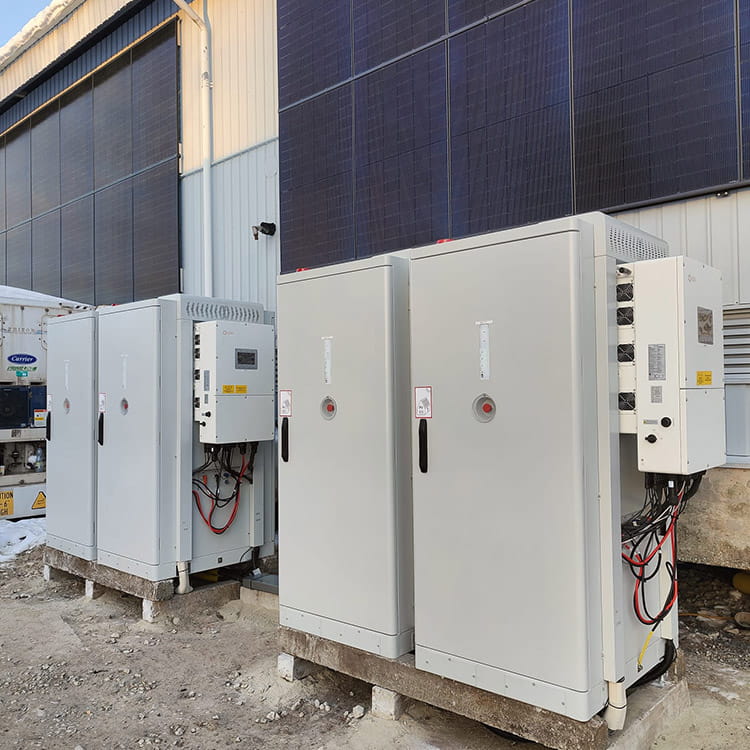
Energy engineering adapted to your company’s reality
In the C&I (Commercial and Industrial) sector, there are no standard solutions.
Sizing a BESS system requires a detailed analysis of several factors:
- installation consumption profile
- operating hours
- equipment startup peaks
- internal electrical network characteristics
At SOLVasto, we analyze each client’s consumption curve in detail and design photovoltaic solutions with storage adapted to the company’s actual operation.
The goal is simple: maximize return on investment and increase control over energy costs.
Take control of your rooftop energy
Producing energy is an important first step. But controlling when and how that energy is used is what truly creates value for your business.
If you want to understand how a BESS system can improve the energy performance of your facility, talk to us.
SOLVasto – Energy engineering for industry.