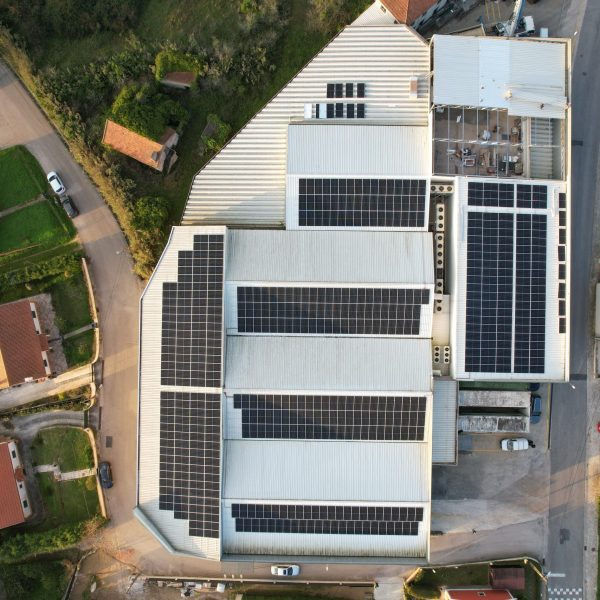

Photovoltaic Production for Commercial & Industrial Companies: Turning Energy into a Strategic Asset
Rising electricity prices, grid volatility, and increasing pressure to decarbonize operations are forcing Commercial & Industrial (C&I) companies to rethink how they produce and consume energy. Photovoltaic (PV) production has moved far beyond being a “green option” — today, it is a strategic business decision.
For companies with high and predictable energy consumption, on-site solar production represents one of the most effective ways to reduce operating costs, improve energy autonomy, and strengthen ESG performance simultaneously.
Why PV Production Makes Sense for C&I Operations
Unlike residential systems, C&I photovoltaic installations are designed around energy demand profiles, not just available roof space. Factories, warehouses, logistics centers, retail parks, hotels, and office buildings typically consume most of their electricity during daylight hours — precisely when solar production is at its peak.
Key factors that influence performance include:
- Maximize self-consumption rates;
- Reduce exposure to market electricity prices;
- Lower contracted power needs;
- Improve long-term cost predictability.
In many cases, well-designed PV systems can cover 20% to 60% of annual electricity consumption, depending on load profile and available installation area.
Self-Consumption: The Key to Maximizing Return
The real value of photovoltaic production for C&I lies in self-consumption. Every kilowatt-hour produced and consumed on-site is a kilowatt-hour not purchased from the grid — at retail price.
Key factors that influence performance include:
- Hourly and seasonal consumption patterns;
- Roof or ground availability;
- Orientation and shading conditions;
- Integration with energy management systems.
Modern PV projects increasingly combine solar production with monitoring platforms, load optimization, and future-ready battery integration, ensuring scalability as energy needs evolve.
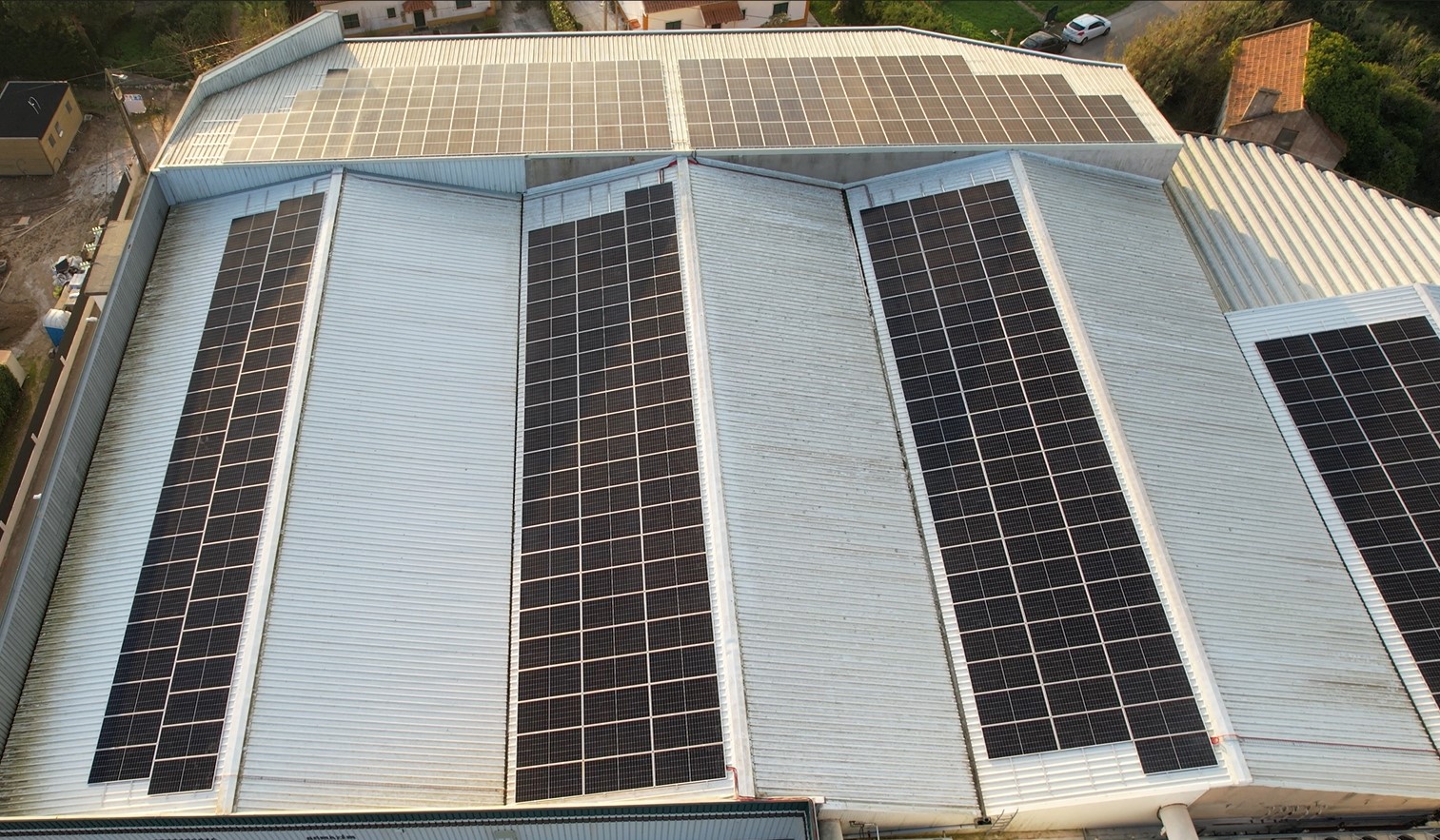
Financial Performance and Investment Horizon
One of the strongest arguments for C&I solar is financial. Photovoltaic systems typically offer:
- Payback periods between 4 and 7 years;
- System lifetimes exceeding 25 years;
- Internal rates of return that often outperform traditional low-risk investments.
Additionally, companies benefit from protection against future electricity price increases, turning energy from a volatile cost into a controlled production input.
Sustainability, ESG and Corporate Value
Beyond direct savings, photovoltaic production plays a critical role in corporate sustainability strategies. On-site solar allows companies to:
- Reduce carbon emissions measurably;
- Improve ESG reporting and compliance;
- Strengthen brand credibility with clients, investors, and partners.
For export-oriented or multinational companies, local renewable production is increasingly seen as a competitive requirement, not just a differentiator.
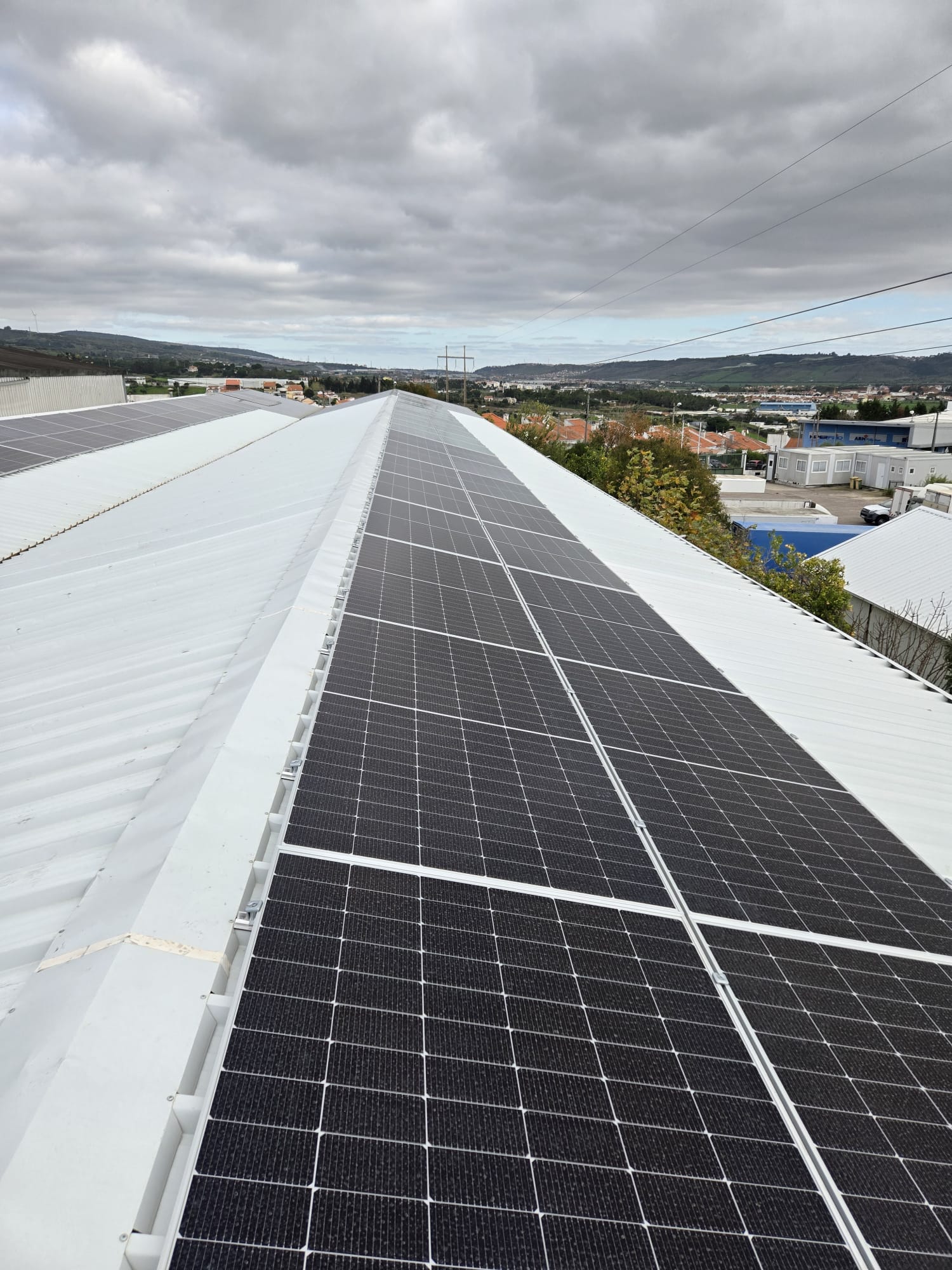
A Tailored Approach Is Essential
C&I photovoltaic projects are not “one-size-fits-all”. Accurate feasibility studies, consumption analysis, and system design are essential to ensure technical and financial success.
At SOLVasto, we design photovoltaic systems specifically for businesses with high energy consumption, focusing on:
- Maximum self-consumption;
- Long-term operational reliability;
- Clear financial performance.
Our goal is simple: help companies transform solar energy into a measurable business advantage, not just an environmental statement.